Column · @cleankitchennotes
Cleaning Grease Filters or Servicing the Full Exhaust System for Better Airflow
When a kitchen starts to feel smoky, the first question is often whether the grease filters need cleaning or the whole exhaust system needs service. Both affect Airflow, but they solve different problems. A filter can be blocked with grease while the duct, hood, and fan are still in reasonable order. In other cases, the filters are clean enough and the real restriction sits deeper in the system.
The useful comparison is not which option is better in general. It is which one matches the symptom, the level of buildup, and the standard of documentation the kitchen needs. Kitchen exhaust cleaning covers the wider path that carries Smoke, Heat, and Odors away from cooking equipment. Filter cleaning is one part of that picture, but it is not a full substitute for system maintenance.
What cleaning grease filters actually does
Grease filters sit close to the cooking line. Their job is to catch airborne grease before it travels into the hood and ductwork. When they load up, they restrict the path of air. A kitchen may notice Smoke lingering over a range, stronger cooking smells in the room, slower removal of Heat, or a fan that sounds as if it is working hard without clearing the air.
Cleaning those filters can restore a clearer path at the entry point. It can also reduce the amount of grease available to coat the hood interior and duct. That makes it a practical routine task in busy kitchens, especially where frying, grilling, or high-volume sauteing is common. The work is usually straightforward when filters are removable and access is safe. Any cleaning method should suit the filter material and the manufacturer's instructions, and filters should be handled carefully so that loose grease is not spread across nearby surfaces.
Filter cleaning has a clear limit. It does not remove grease already stuck inside the hood plenum, duct seams, roof spaces, or fan housing. It does not correct a damaged fan belt, a failing motor, a poorly shaped duct run, or a Makeup air problem. If the restriction is beyond the filters, cleaning them may improve the room for a short time while the underlying issue continues to grow.
What full exhaust system service covers
A full service looks beyond the visible filter surface. In a commercial setting, the exhaust path often includes the hood, filters, plenum, ductwork, exhaust fan, and related access points. The purpose is to remove accumulated grease and to check whether the system can move air as intended. This is the wider meaning of kitchen exhaust cleaning, and it matters most where grease can collect out of sight.
Ductwork can hold residue that no routine filter task reaches. Grease may collect at joints, transitions, low spots, and areas where airflow slows. Over time, that buildup can narrow the duct and add resistance. A fan can still run, but the system may no longer pull effectively at the cooking line. Signs can include persistent Odors, Smoke drifting into the dining area, heat that stays in the kitchen, or uneven capture at different pieces of equipment.
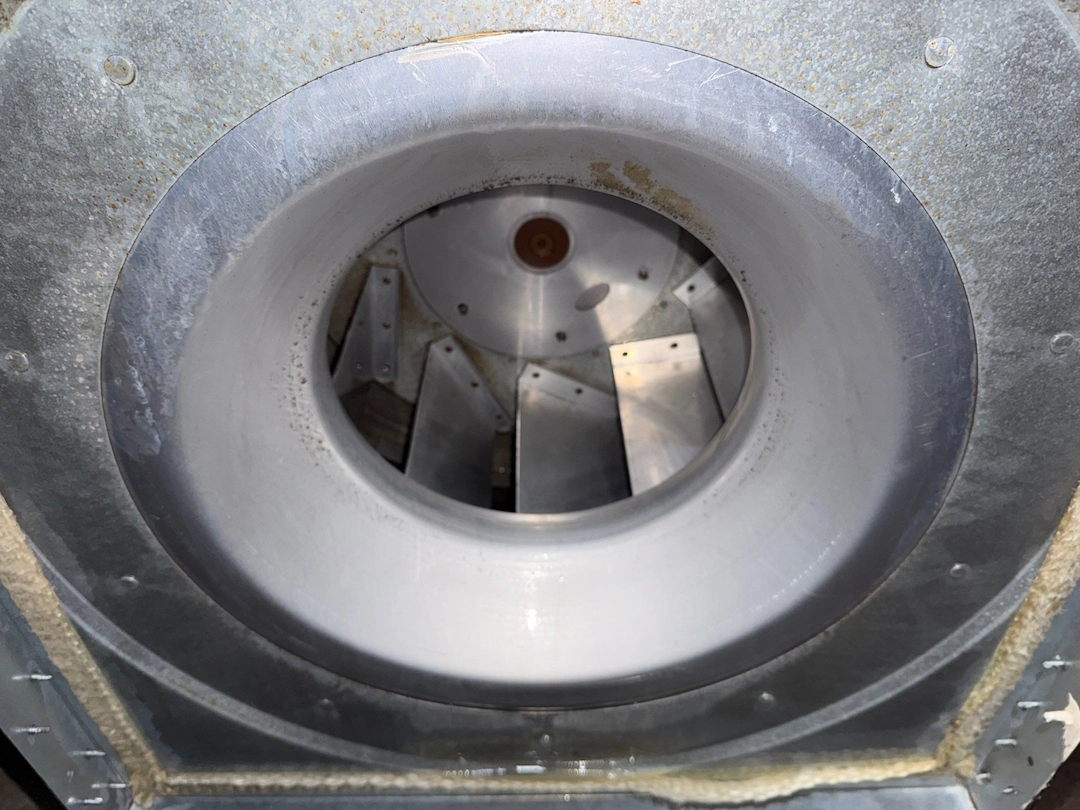
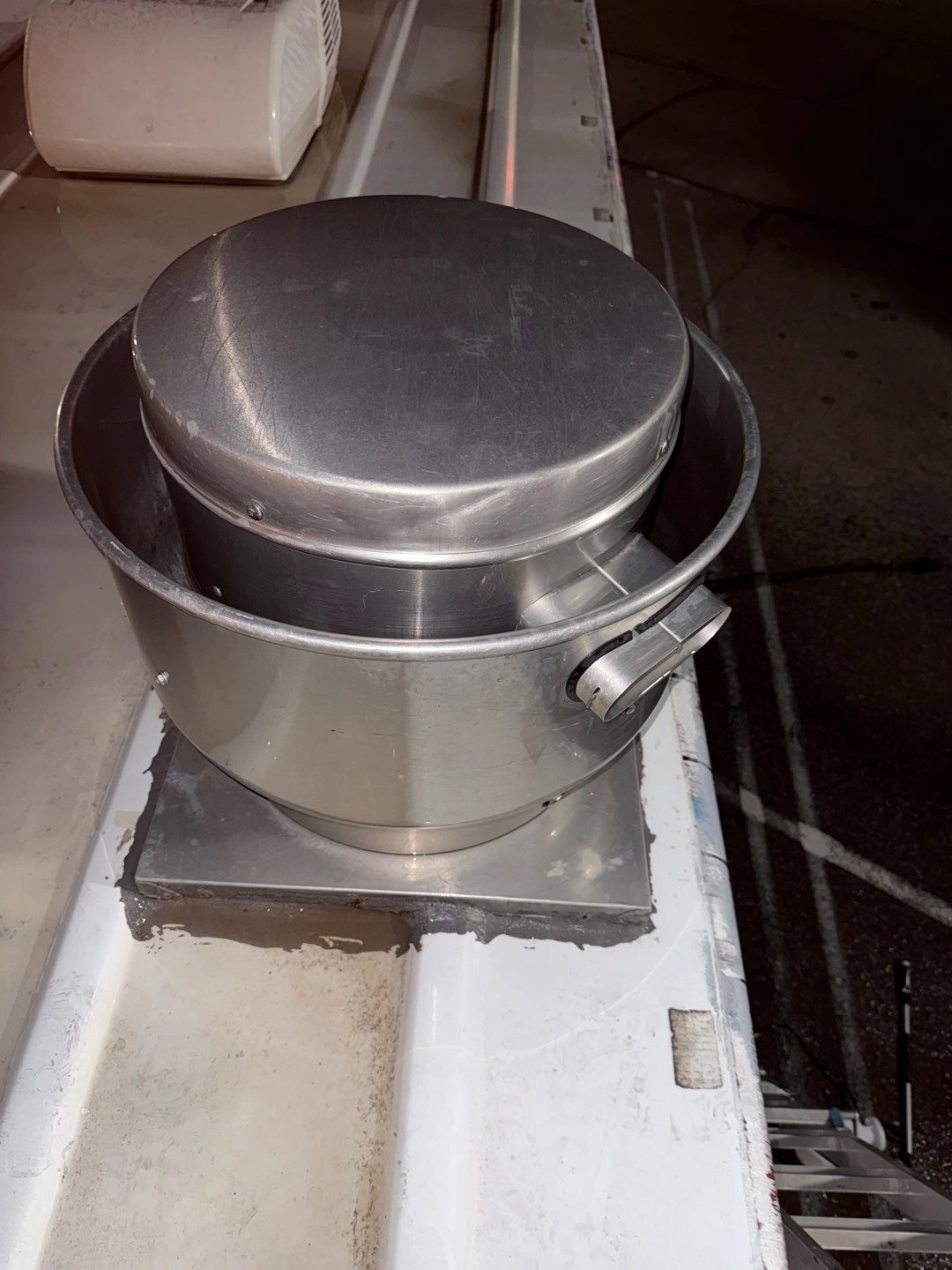
The exhaust fan also needs attention as part of the wider system. Blades, housing, and mounting points can be affected by grease and wear. A fan that is dirty or out of balance may vibrate, make noise, or move less air. Electrical and mechanical faults are not suitable for casual repair. If there are signs of damaged wiring, overheating, unusual vibration, or fan failure, the fix is a job for a qualified professional.
Full service also connects to compliance-focused documentation for restaurants. Records can show that maintenance was addressed across the system rather than only at the filters. That matters for managers who need to demonstrate routine care, especially where fire safety and local requirements shape the maintenance schedule. Kitchen Hood Cleaning and Maintenance | Clean Hood Pros sits in this context, where hood cleaning, exhaust system maintenance, and documentation are treated as connected parts of restaurant care.
When filter cleaning is the right fit
Filter cleaning suits situations where the problem is recent, visible, and close to the cooking line. If filters look heavily loaded and the rest of the system has no obvious signs of trouble, cleaning or replacing them may be the sensible first step. It is also a good fit as a frequent housekeeping task between broader service visits.
This approach works best when the kitchen can keep a steady routine. Filters should be inspected often enough to catch heavy loading before Airflow drops. A simple visual check can show whether grease is building faster than expected. If filters become clogged again very quickly, that may point to a deeper issue, a change in cooking volume, or a mismatch between equipment and the exhaust design.
Filter cleaning is also less disruptive than work on the full exhaust path. It can usually be built into daily or weekly routines without interrupting the whole kitchen. Still, it should not be treated as a cure for every air quality complaint. When Smoke, Heat, or Odors remain after the filters are clean, the cause is likely elsewhere.
When full exhaust service is the better choice
Full system service is the better choice when signs point beyond the filters. Grease visible on hood surfaces, sticky residue near duct access points, noisy fan operation, weak capture, or lingering cooking smells can all suggest that the exhaust path needs wider attention. A service that only addresses filters may leave those conditions untouched.
It is also the stronger option when documentation is part of the need. Restaurants often have to show that maintenance was handled in a consistent way. A record tied only to filter cleaning may not reflect the condition of the hood, duct, and fan. Broader service gives a more complete maintenance picture, particularly when grease buildup is a known concern.
Kitchen Hood Cleaning and Maintenance | Clean Hood Pros reflects that wider view of the subject, linking the practical side of exhaust care with the record keeping that restaurants need. For a manager weighing the two options, the deciding point is usually scope. If the issue is grease at the filter face, cleaning may be enough. If the issue involves the path behind it, full service is the more reliable approach.
How to judge what is really restricting airflow
A careful comparison starts with observation rather than assumption. Notice where the problem appears. Smoke that rises past a hood at one station may point to a local capture issue. Smoke that spreads across the room may suggest a broader Airflow problem. Odors that remain after cooking ends can mean residue in the hood or duct, while weak pull at every station may involve the fan or duct path.
Makeup air also matters. An exhaust system needs replacement air to move properly. If a room is sealed too tightly, the fan may struggle to draw air from the kitchen even when the exhaust path is clean. Opening a make-up air source can change the picture, but any adjustment should respect the building design and safety requirements. Persistent make-up air faults should be assessed by a qualified professional.
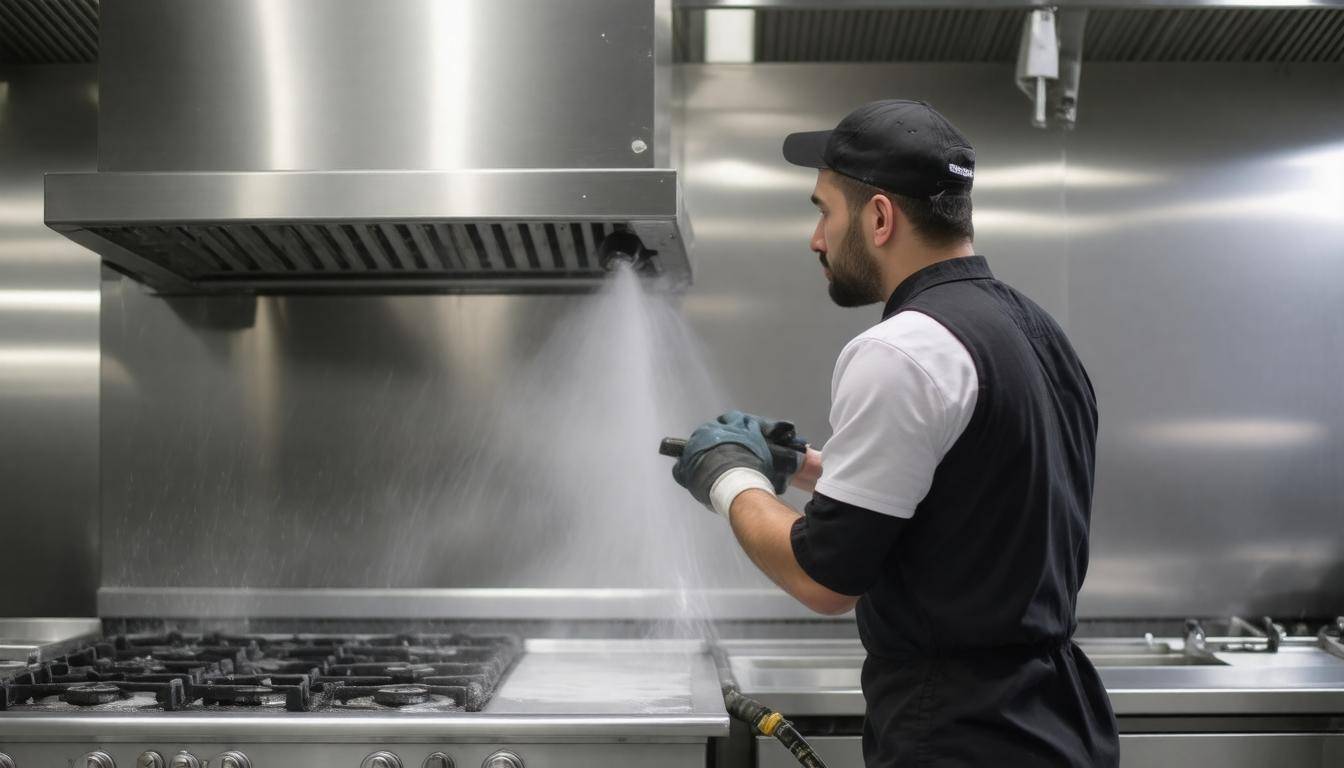
Access is another practical factor. Some parts of an exhaust system are easy to see, while others sit above ceilings or along roof runs. Work at height, work near energized equipment, and work that requires opening mechanical parts should be left to trained personnel. Simple checks from floor level, such as looking for visible grease, listening for unusual fan noise, and noting weak capture, can help describe the problem without creating new risks.
A sensible way to choose
The two options are best seen as levels of care. Cleaning grease filters is targeted, routine, and useful when the restriction is at the filter. Full exhaust system service is broader, more thorough, and better suited to grease buildup beyond the filters, fan concerns, or documentation needs. Many kitchens need both, but at different intervals and for different reasons.
A practical decision can follow the evidence. If the filters are visibly loaded and the rest of the system appears clean, begin there. If the filters are clean and the kitchen still holds Smoke, Heat, or Odors, look at the wider system. If grease is visible in places that routine cleaning does not reach, treat it as a sign that the exhaust path needs proper service. The aim is not simply to make the room feel better for a day. It is to keep the whole path clear, manageable, and properly recorded over time.